


Wellness is no longer a niche topic in the food & beverage market: according to Circana, consumers with a consistent approach to health and diet quality account for about 40% of total sales in the sector. In economic terms, we are talking about $708 billion across retail and foodservice in the U.S.: $402 billion in retail (+2% vs the previous year) and $306 billion in foodservice (+8%), for an overall growth of about +5%.

In recent years, TikTok and other social platforms have become major accelerators of food trends: a piece of content can start in one country, be replicated in dozens of languages, and translate into real demand within days. For brands and distributors, social-driven trends are worth close attention: they can shape sales, sourcing, product development, and even risk management.

In the packaged ice cream sector, sustainability is a market driver that runs through the entire supply chain: from raw material choices and production technologies to packaging decisions. This shift directly affects operators in international markets, as consumer and retailer expectations worldwide are increasingly aligning around a few key criteria: transparency, lower environmental impact, recyclable materials, and attention to supply-chain practices.
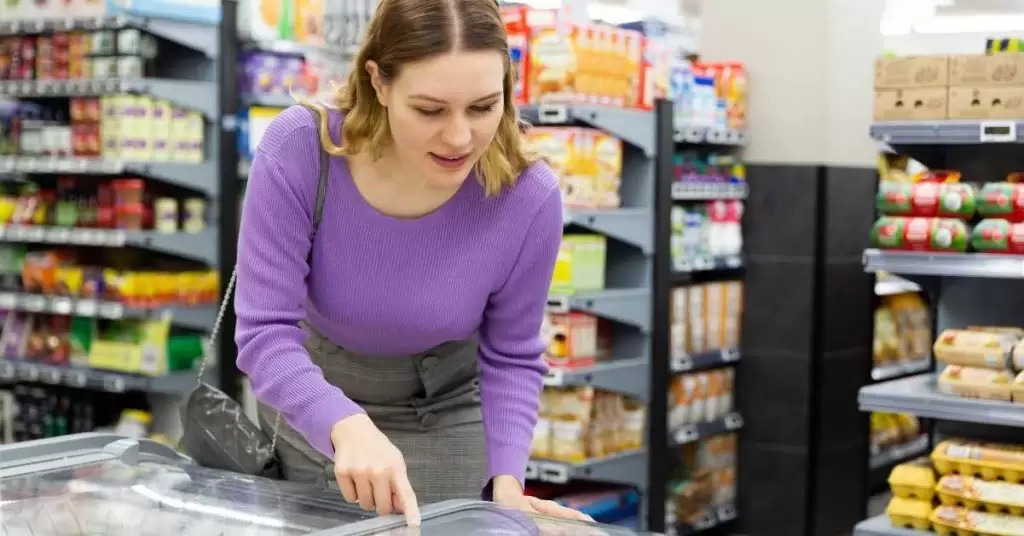
In fast-moving consumer goods, one factor is becoming increasingly decisive: time. A recent NielsenIQ study portrays a consumer who is often "time-crunched", assessing convenience not only by price, but also by the minutes saved across planning, preparation, and meal management. In this context, the convenience of food products is no longer an add-on - it becomes a core part of perceived value, provided it is not seen as an unjustified luxury.
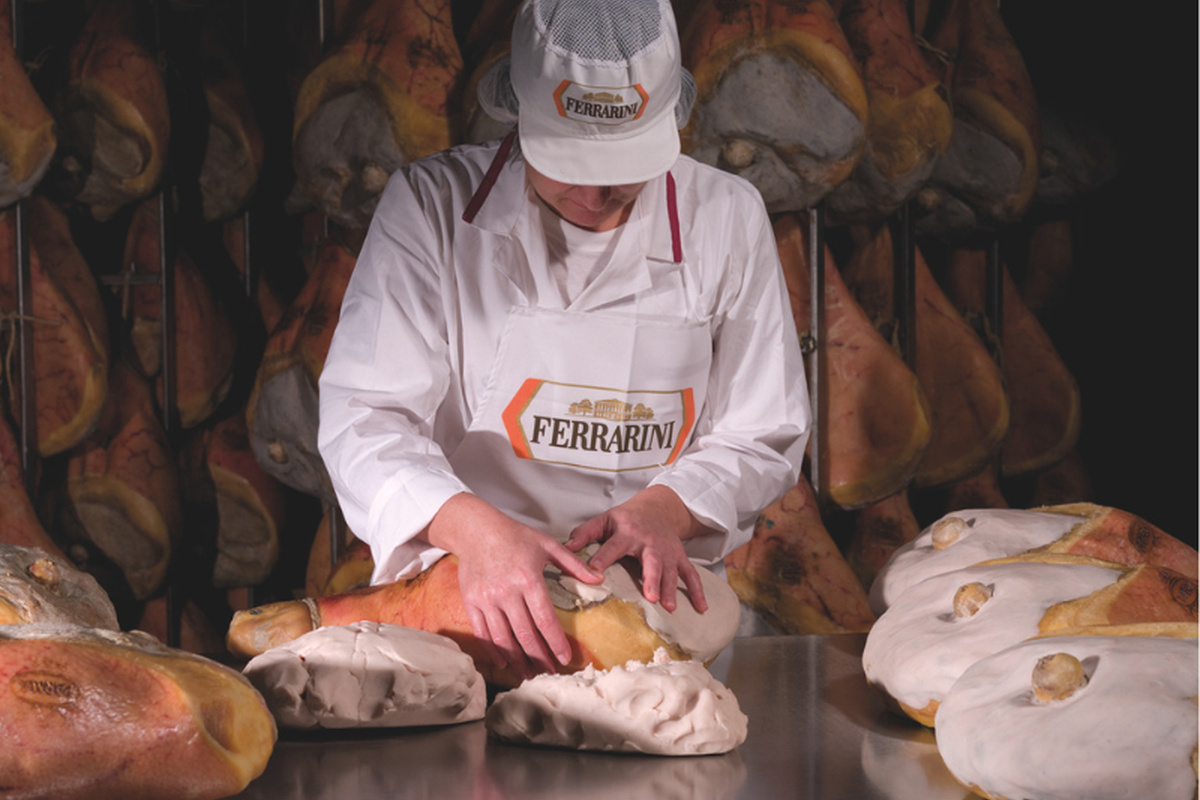
For international buyers, importers and distributors, demand is increasingly moving toward authentic Italian specialties with a clear positioning, an assortment that works across channels (mass retail, specialty shops, deli and charcuterie counter, food service), and quality standards aligned with what international markets expect. This is where Ferrarini comes in - an Italian brand founded in Emilia-Romagna in 1956 - with an offering that combines tradition, careful selection of raw ingredients and a range built to develop complete, well-differentiated lines.

Fermentation-driven innovation and formulation science are reshaping how ingredients and products are developed - combining clean label priorities with performance and new quality benchmarks. For food companies, the competitive advantage shows up as fresh sensory, functional and nutritional options, alongside greater stability and reliability across the whole value chain: production, packaging, logistics, retail and foodservice use.

In food and beverage distribution, logistics optimization directly affects service quality and operating costs. Cutting unnecessary miles and empty runs without compromising delivery windows, and gaining real-time visibility on what happens along the route, are now practical priorities. At the same time, distributors are looking to reduce waste and quantify environmental impact, so operational efficiency can be linked to clear sustainability goals.
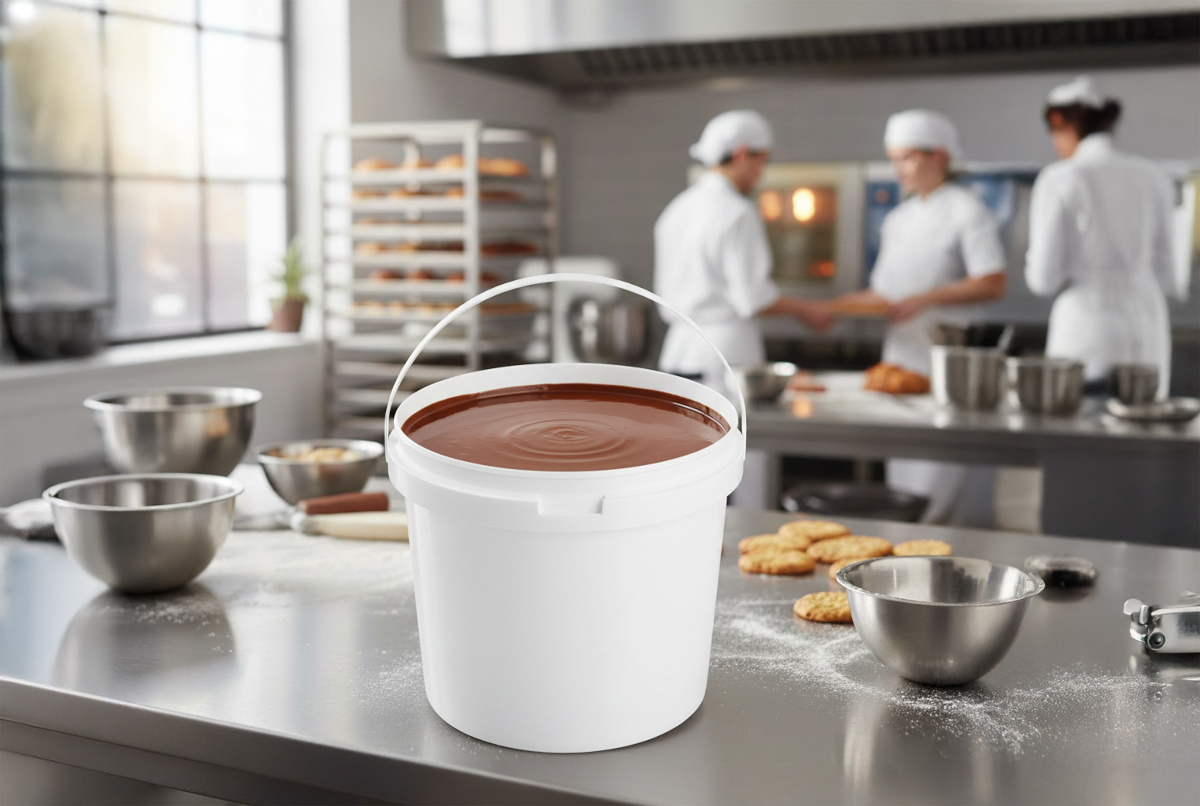
When working with fresh preparations or semi-finished ingredients - from gelato bases to creams, as well as yogurt and other deli counter items - packaging is not a minor detail. Choosing the right container affects hygiene, shelf life, lab organization, and logistics.

The new labels and packaging adopting the GS1 Digital Link standard connect each product to a digital address via a QR Code, using the same identifier that makes it recognizable across the supply chain (such as the GTIN behind the barcode). The benefit is not only technical: it is primarily about marketing and sales. One single access point can deliver different content depending on who scans (consumer, buyer, distributor, logistics), while keeping everything consistent and well organized. GS1 brings communication, product data and commercial tools together, turning the label into a stable channel to inform, persuade and sell.

In 2025, Italian sparkling wines return above a symbolic and important threshold: more than 1.03 billion bottles produced and sold. The figure matters not only for the commercial scale achieved, but also because it captures a segment that, even in a year described as "complex", remains stable in export markets and continues to strengthen its place in consumption habits worldwide.

In discussions about food waste, the focus is often on environmental impact and social responsibility. For companies across the supply chain (production, distribution, retail, logistics and foodservice), there is another core issue: waste is an operating cost that reduces margin, creates stock inefficiencies and increases management complexity.
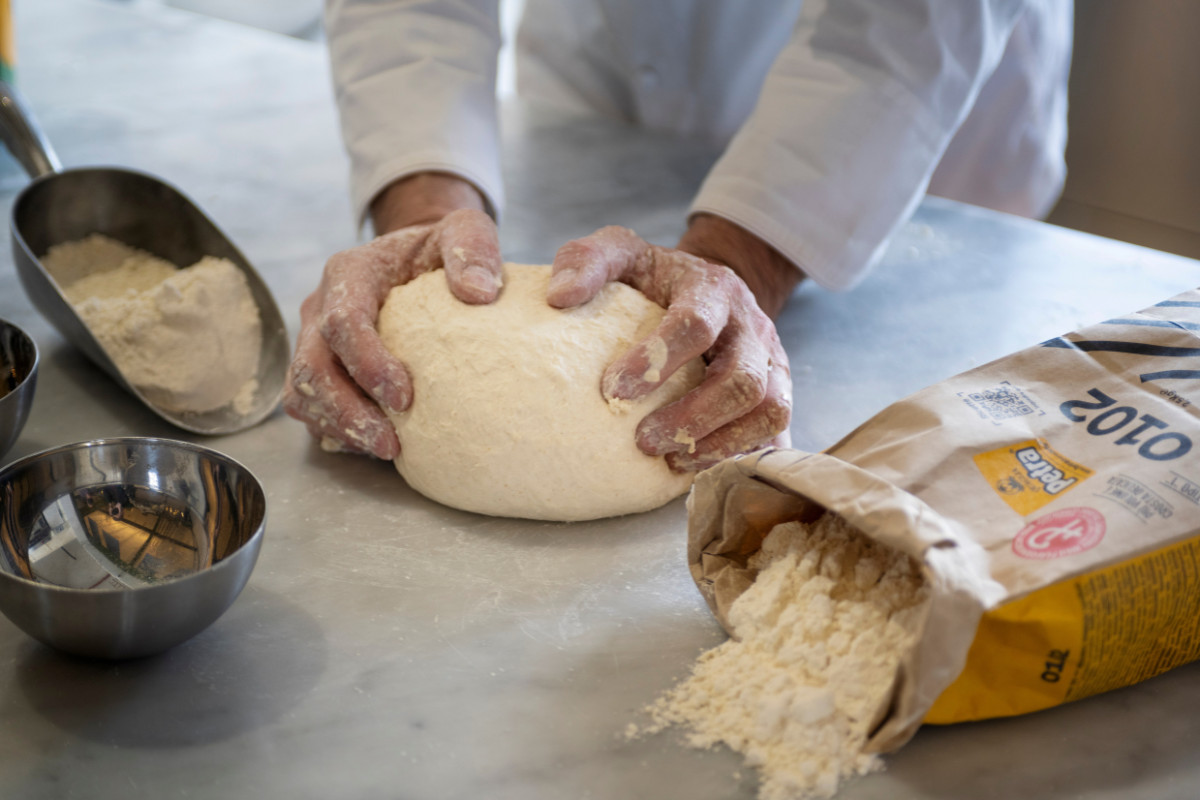
Within the professional flour segment for baking, pizza and foodservice, Petra positions itself as a specialist choice for operators who value ingredient quality and consistent results in production. Carefully selected origins, a controlled supply chain and a distinctive production process bring out the best in Petra products for both professional use and retail, supporting distributors, buyers and foodservice operators. A premium option for bakers, chefs, pizza makers and pastry professionals.

The European Union is taking a significant step toward establishing a dedicated regulatory framework for New Genomic Techniques (NGTs), also referred to as Assisted Evolution Techniques (TEA). After months of negotiations and a prolonged institutional deadlock, the European Parliament and the EU Council have announced a political agreement that will allow these technologies to be applied across various agricultural sectors.

Export figures confirm Italy's position among the leading global players in the food & beverage sector. The data presented at the Agrifood Monitor Forum, organized by Nomisma in collaboration with CRIF, highlight a robust industry that has shown some of the most dynamic growth trends worldwide in recent years, while also expanding its focus on new markets.

Gulfood 2026, taking place from 26 to 30 January, marks the 31st edition of an event that is set to be one of the largest to date. With over 8,500 exhibitors, more than 1.5 million products and 12 strategic sectors, the show brings together producers, suppliers, retailers, distributors, innovators and policymakers from 195 countries. For the first time, the exhibition will span two venues, the Dubai World Trade Centre and the Dubai Exhibition Centre, providing a clearer layout of content and a more organized visitor experience.

In the packaging sector, companies are facing increasingly complex challenges: from rapidly evolving regulations in the United States and Europe, to new R&D investments aimed at developing innovative, safe and sustainable materials. Added to this is the growing attention toward potentially harmful substances in food packaging, a topic of rising importance for consumers, buyers and distributors. Finally, the expansion of e-commerce continues to highlight the need for solutions specifically designed for direct-to-consumer shipping.